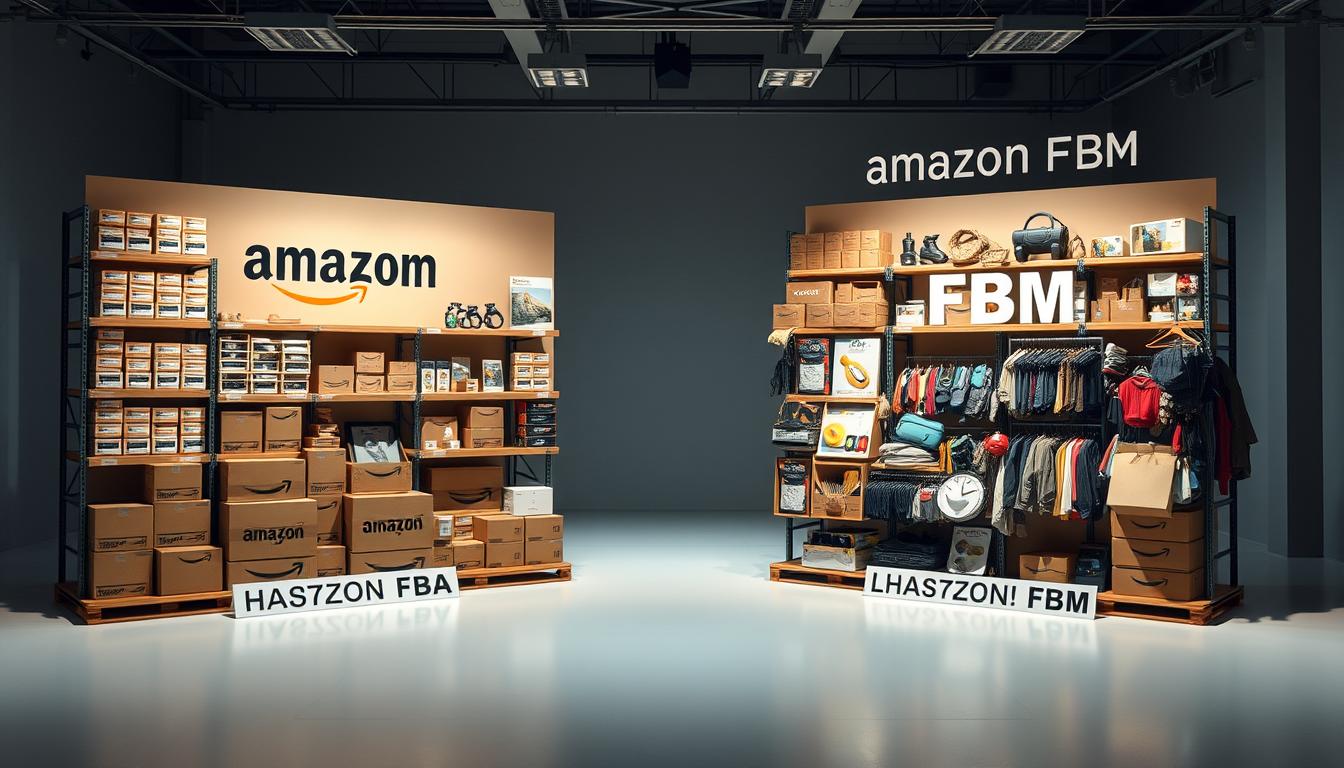
Amazon FBA vs FBM represents one of the most important decisions new sellers face when starting their Amazon journey. Understanding these fulfillment options can make or break your success on the platform.
Both fulfillment methods offer distinct advantages and challenges that directly impact your costs, time investment, and customer satisfaction. Making the right choice from the start saves you money and headaches down the road.
TL;DR
- FBA costs $2.50-$5.00 per unit in fulfillment fees plus $0.87-$2.40 per cubic foot for storage.
- FBM sellers handle their own storage, packaging, and shipping but avoid Amazon’s fulfillment fees.
- FBA products automatically qualify for Prime shipping and Amazon’s customer service.
- New sellers with fast-moving products under 2 pounds typically benefit most from FBA initially.
Amazon FBA vs FBM: Understanding Your Options
Amazon FBA vs FBM comes down to who handles your product fulfillment after a customer places an order. Each method serves different business models and seller situations.
With FBA, Amazon stores your inventory in their fulfillment centers and handles picking, packing, shipping, customer service, and returns. You send your products to Amazon, and they take care of the rest when orders come in.
What FBM Means for Your Business
FBM puts you in control of the entire fulfillment process. You store inventory at your location, package orders yourself, arrange shipping, and handle customer inquiries and returns directly.
This approach gives you complete control over the customer experience but requires significant time and resources. Many sellers start with FBM to keep costs low while learning the Amazon marketplace.
Cost Breakdown: FBA vs FBM
Understanding the true costs of each fulfillment method helps you make smart financial decisions. Both options involve different types of expenses that affect your profit margins.
FBA Fee Structure
Amazon charges FBA sellers several types of fees:
- Fulfillment fees – $2.50-$5.00 per unit based on size and weight
- Storage fees – $0.87-$2.40 per cubic foot monthly
- Long-term storage fees – Additional charges for items stored over 365 days
- Removal fees – Costs to return unsold inventory to you
These fees add up quickly, especially for slow-moving or oversized products. Amazon FBA fees breakdown provides detailed calculations to help estimate your costs.
FBM Operating Expenses
FBM sellers face different cost categories:
- Storage costs. Rent for warehouse space or storage facilities in your area.
- Packaging materials. Boxes, bubble wrap, tape, and branded inserts for your shipments.
- Shipping expenses. Carrier fees for getting products to customers quickly.
- Labor costs. Time spent or wages paid for packing and processing orders.
Calculate Before You Choose
Use Amazon’s Revenue Calculator to compare FBA and FBM costs for your specific products. Input your item dimensions, weight, and selling price to see which method offers better profit margins.
Time and Resource Requirements
The time investment differs dramatically between FBA and FBM. Your choice affects how you spend your days and what aspects of your business get your attention.
FBA sellers spend most of their time on product research, sourcing, and marketing since Amazon handles fulfillment. This allows focus on growing your product catalog and increasing sales.
FBM Time Commitments
FBM requires hands-on involvement in daily operations. You’ll spend time on:
- Order processing – Reviewing and preparing shipments each day
- Packaging – Wrapping items securely and professionally
- Shipping coordination – Scheduling pickups and tracking deliveries
- Customer service – Responding to questions and handling returns
Many new sellers underestimate the time commitment of FBM. Amazon FBA for beginners explains how automation through FBA frees up time for business growth activities.
Customer Experience Impact
Your fulfillment choice directly affects customer satisfaction and repeat purchases. Amazon customers have high expectations for shipping speed and service quality.
FBA products automatically qualify for Prime shipping, which appeals to Amazon’s most valuable customers. Prime members spend significantly more than non-Prime customers and expect fast, reliable delivery.
Building Trust Through Fulfillment
Amazon’s fulfillment network has built-in customer trust. Buyers know their orders will arrive quickly and that returns are hassle-free through Amazon’s customer service.
FBM sellers must work harder to build this same level of trust. You need competitive shipping speeds and excellent customer service to match customer expectations set by FBA sellers.
When to Choose FBA
FBA works best for specific product types and business situations. Understanding these scenarios helps you make the right choice for your circumstances.
Ideal FBA Products
Consider FBA when you sell:
- Fast-moving inventory – Items that sell quickly avoid long-term storage fees
- Lightweight products – Lower fulfillment fees make FBA more profitable
- Standard-sized items – Products that fit Amazon’s size requirements cost less to fulfill
- High-margin products – Items with good profit margins can absorb FBA fees
New sellers often succeed with FBA when they focus on products under 2 pounds that sell consistently. Top selling products on Amazon FBA shows examples of items that perform well with this fulfillment method.
When FBM Makes More Sense
FBM suits sellers in specific situations where control and cost savings matter more than convenience. These scenarios make FBM the better choice.
FBM Advantages
Choose FBM when you have:
- Oversized products. Large items face high FBA fees that eat into profits.
- Slow-moving inventory. Products that sit in storage for months accumulate costly storage fees.
- Fragile items. Delicate products need special handling that you can provide better than Amazon.
- Limited startup capital. FBM requires less upfront investment than sending inventory to Amazon.
Many sellers use FBM for testing new products before committing to FBA. This approach lets you validate demand without the upfront costs of sending inventory to Amazon warehouses.
Hybrid Approach: Best of Both Worlds
Smart sellers often combine FBA and FBM strategically. This hybrid approach lets you optimize each product based on its characteristics and performance.
Use FBA for your best-selling, lightweight products that benefit from Prime eligibility. Handle slow-moving or oversized items through FBM to avoid excessive fees.
Scaling Your Strategy
Start with one fulfillment method and add the other as your business grows. Many successful sellers begin with FBM to learn the basics, then transition high-volume products to FBA.
Scaling your Amazon FBA business provides strategies for growing from a small operation to a larger enterprise using both fulfillment methods effectively.
Frequently Asked Questions
What costs more – FBA or FBM?
FBA typically costs more per unit due to fulfillment and storage fees, but FBM requires investment in storage space, packaging materials, and labor time.
Can I switch from FBM to FBA later?
Yes, you can change fulfillment methods anytime by sending inventory to Amazon warehouses for FBA or switching listings back to FBM in Seller Central.
Do FBA products rank higher in Amazon search?
Amazon doesn’t officially favor FBA products in search rankings, but Prime eligibility and faster shipping can improve conversion rates and indirectly boost rankings.
How long does it take to set up FBA?
Setting up FBA takes 1-3 weeks from creating shipments to having inventory available for sale, depending on how quickly Amazon receives and processes your products.
What happens to unsold FBA inventory?
Amazon charges long-term storage fees for inventory over 365 days and may require removal of items stored longer than that period.
Final Thoughts
Amazon FBA vs FBM decisions shape your entire selling experience and profitability on the platform. The right choice depends on your products, budget, and business goals rather than a one-size-fits-all solution.
Start with the method that matches your current situation and be ready to adapt as your business grows. Many successful sellers use both approaches strategically to maximize their profits and customer satisfaction.


Ryan Conlon, a seasoned entrepreneur and e-commerce expert dedicated to helping resellers thrive in the dynamic world of Amazon FBA. With years of hands-on experience and a passion for sharing knowledge, Ryan is your trusted guide on the journey to reselling success. His commitment to providing valuable insights, strategic tips, and actionable advice is the driving force behind FBAresellers.com